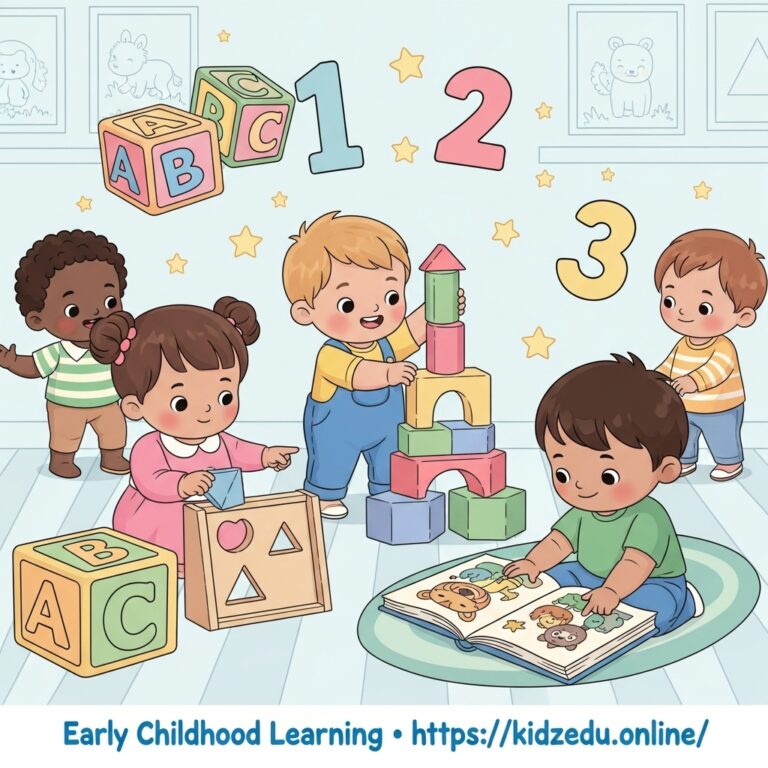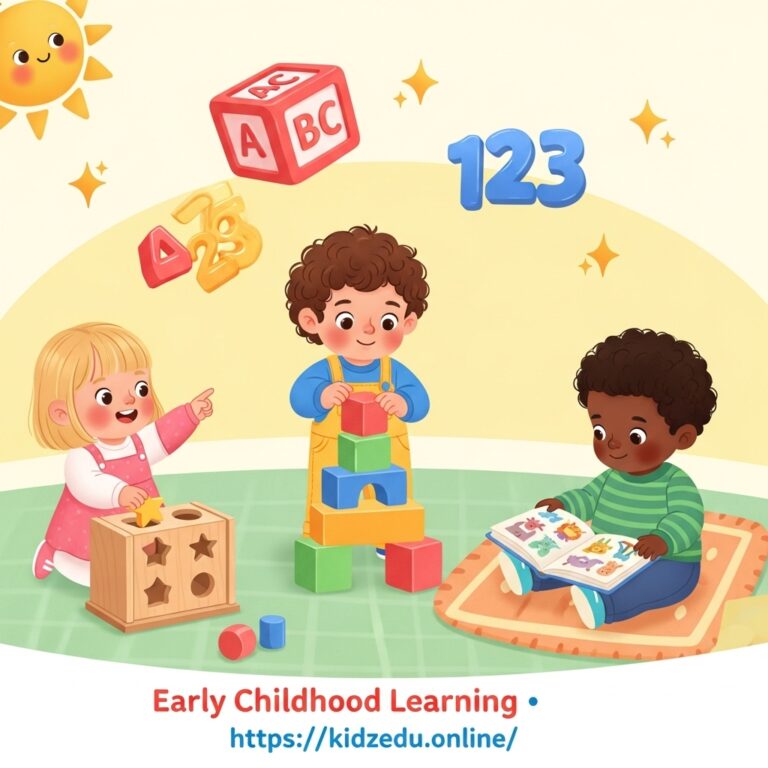
Teaching kids shapes becomes much more effective when learning feels like fun. Through playful activities, children can easily recognize circles, squares, triangles, and more while building creativity and problem-solving skills. Here are enjoyable ways to help little learners understand shapes through play.
1. Shape Sorting Toys
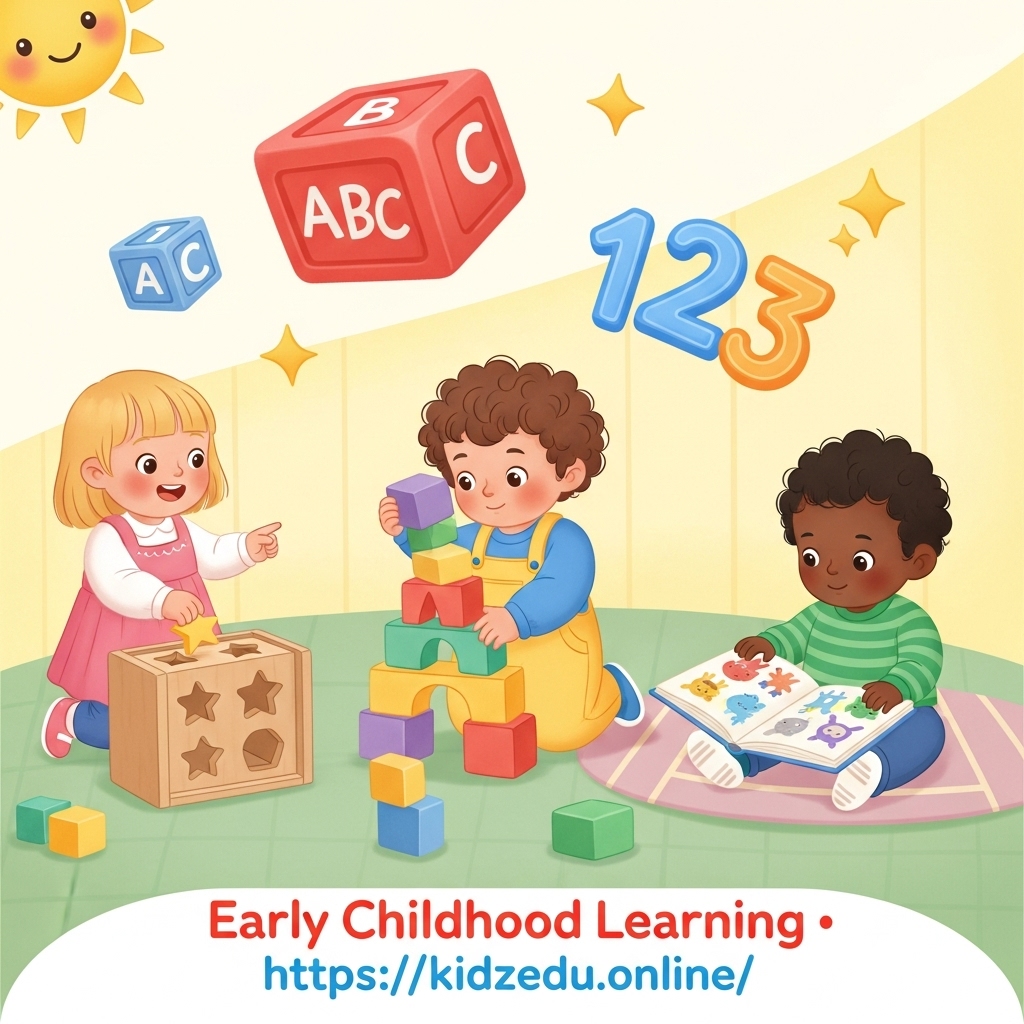
Use shape sorters or blocks with different shapes. Kids match each piece to its correct spot, helping them learn shapes and improve hand-eye coordination.
2. Playdough Shape Making
Let kids flatten playdough and use cutters or their hands to create circles, stars, and rectangles. This strengthens their fine motor skills while teaching shapes.
3. Shape Hunt in the House
Ask kids to find shapes around the house—like a circular plate, a rectangular book, or a square pillow. It helps them identify shapes in real life.
4. Building Shapes with Sticks
Use popsicle sticks or straws to form simple shapes. Kids can create triangles, squares, and even more complex shapes like pentagons.
5. Shape Puzzles
Shape puzzles help children recognize outlines and match them correctly. It’s a great quiet-time learning activity.
6. Drawing Shapes with Chalk
Go outside and draw shapes on the ground with chalk. Kids can jump inside circles, trace squares, or walk along triangle outlines.
7. Shape-Themed Crafts
Create fun crafts like a triangle house, circle sun, or square robot. Crafting makes learning interactive and creative.
8. Sorting Snacks by Shape
Use foods like crackers or cookies with different shapes and let kids sort them. They learn while enjoying a tasty activity.
9. Shape Storybooks
Read picture books with shapes in the illustrations. Kids naturally start identifying shapes as they follow the story.
10. Shape Matching Cards
Make simple cards with shape pictures and let your child match objects that have the same shape.
Final Thoughts
Kids learn shapes best when they’re actively engaged and having fun. These playful activities help children recognize shapes naturally, improve problem-solving, and build creativity. Keep learning light, consistent, and enjoyable—and watch your child grow confidently
About the Author